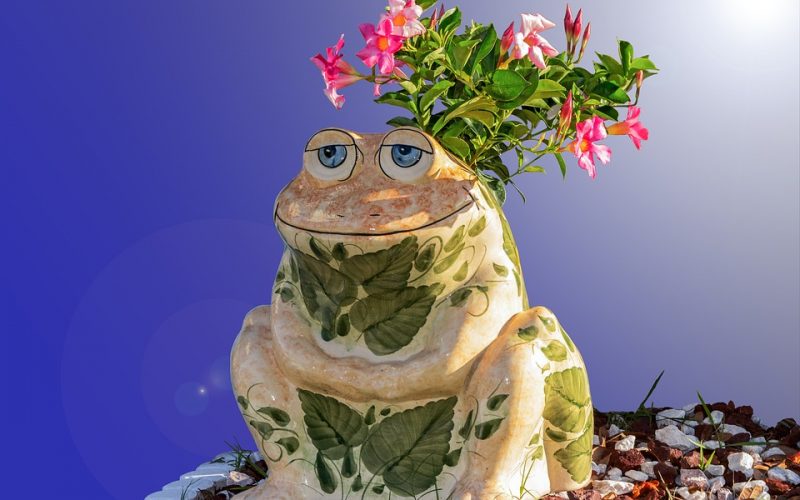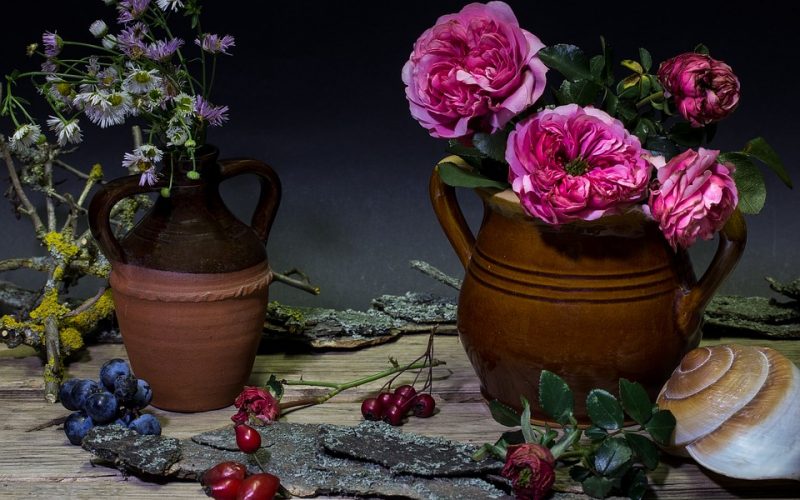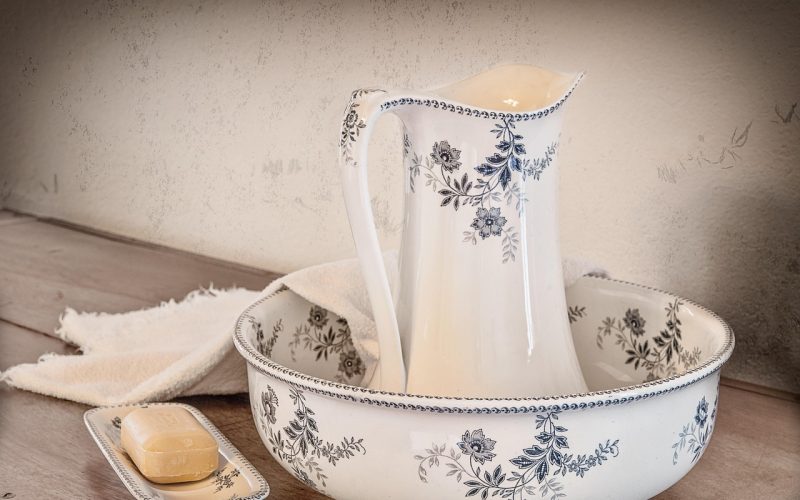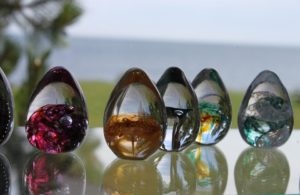
Fanciful pottery brings a sense of whimsy and personality to outdoor spaces. Unlike standard terracotta pots or plain planters, fanciful pieces are designed to delight — think hand-painted glazes, sculptural faces, unexpected shapes, and playful motifs that turn a garden corner into something worth stopping to admire. Whether crafted by independent artisans or produced by specialist studios, these pieces blur the line between functional container and decorative art.
Why fanciful pottery works so well outdoors
Gardens are inherently creative spaces, so it makes sense that the vessels within them should reflect that spirit. A sculptural pot placed at the end of a pathway draws the eye and gives structure to a planting scheme. Brightly glazed urns can anchor a seating area or frame an entrance, while smaller whimsical pieces — animal-shaped planters, ceramic mushrooms, or mosaic bowls — add texture and charm at ground level. The beauty of fanciful pottery is that it does double duty: it supports plant growth and enhances the visual story of your outdoor space.
Choosing the right piece for your garden
Scale matters enormously when selecting fanciful pottery for the garden. A large, statement urn suits an expansive lawn or a formal garden with wide borders, whilst a collection of smaller quirky pots works better on a balcony, patio, or in a cottage garden setting. Consider the overall mood you want to create. Rustic, earthy pieces with textured glazes complement naturalistic planting schemes, whilst brightly coloured or heavily patterned pottery adds energy to minimalist or contemporary gardens.
Materials and durability
Not all decorative pottery is built to withstand the British climate. When shopping for outdoor pieces, look for frost-resistant stoneware or high-fired earthenware, which are less likely to crack during cold snaps. Glazed surfaces generally offer better weather resistance than unglazed ones, though it is worth checking with the maker or retailer before purchasing. If you fall in love with a piece that is not frost-proof, keep it in a sheltered spot or bring it indoors during winter.
Grouping pottery for maximum impact
One of the most effective ways to display fanciful pottery is to group pieces together in odd numbers — threes and fives tend to create the most visually pleasing arrangements. Vary the heights by placing taller pots at the back and smaller ones at the front, or use upturned pots as makeshift plinths to add elevation. Mixing glazes and finishes within a shared colour palette keeps things cohesive without feeling overly matched. A cluster of mismatched yet complementary pots can feel far more interesting than a uniform set.
Planting to complement the pottery
The plants you choose should work with the pottery rather than compete with it. Bold, architectural plants like agapanthus, cordylines, or sculptural grasses suit statement urns and oversized vessels. For more delicate or intricately decorated pots, softer planting — trailing lobelia, compact herbs, or alpine flowers — tends to complement without overwhelming the design. Leaving some pots empty is also a valid choice; a beautifully glazed pot needs no plant to justify its place in the garden.
Where to find fanciful garden pottery
Independent ceramicists are often the best source for truly unique pieces. Craft fairs, local pottery studios, and online marketplaces such as Etsy offer access to hand-thrown and hand-painted work that simply cannot be found on the high street. Garden centres are increasingly stocking more characterful ranges, and architectural salvage yards can yield extraordinary one-off finds. If budget allows, commissioning a bespoke piece from a local maker is a wonderful way to get exactly what you have in mind — and to support a craftsperson in the process.